

Menu


February 23, 2026
Stavros Kostoulas
First, I should point out that if someone wants to learn, the first thing they should do is contact a certified paragliding school. Otherwise, it will cost him much more in terms of time, money, and, most importantly, possibly his physical integrity. From the moment someone starts learning at a school, the necessary equipment needed for daily practice, as well as their first training flights, is provided by the school. Some schools have the option, after the initial training, to rent basic equipment to students. In the long term, this is not beneficial to the student, because it will cost them much more. Of course, as a temporary solution, it is a good option. If someone has decided to continue practicing,, they should plan to acquire their own personal equipment at some point.
First, let's see what we need in terms of clothing, which we won't find at school.
Shoes
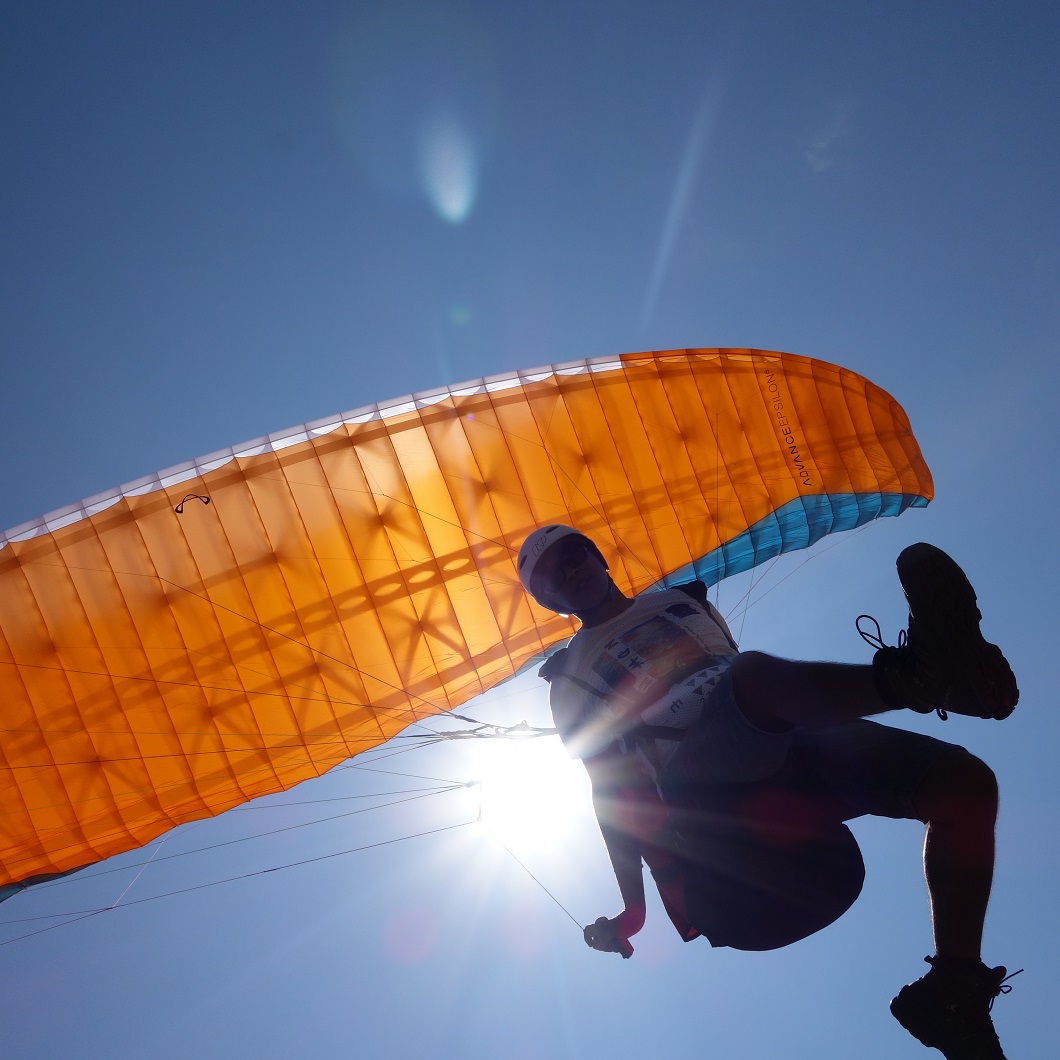
Okay, we wouldn't fly barefoot, one might say humorously upon seeing the original title. Or one might say, "I want to fly, not run!" That's right, I have no objection, but we must keep in mind that the flight starts from the ground and ends on the ground. The right shoe is one of the most important accessories in our equipment. And it is definitely the first thing we should have from the very first day of our initial training. It will help us maintain a steady footing and stable movements, and will certainly protect us from potential injuries. The ideal shoe for paragliding, is lightweight, provides stability in the ankle area, has a non-slip treaded sole, and is firm but not rigid. These technical features are usually found in hiking boots for the mountains, or boots in general for hiking in nature.
Clothing
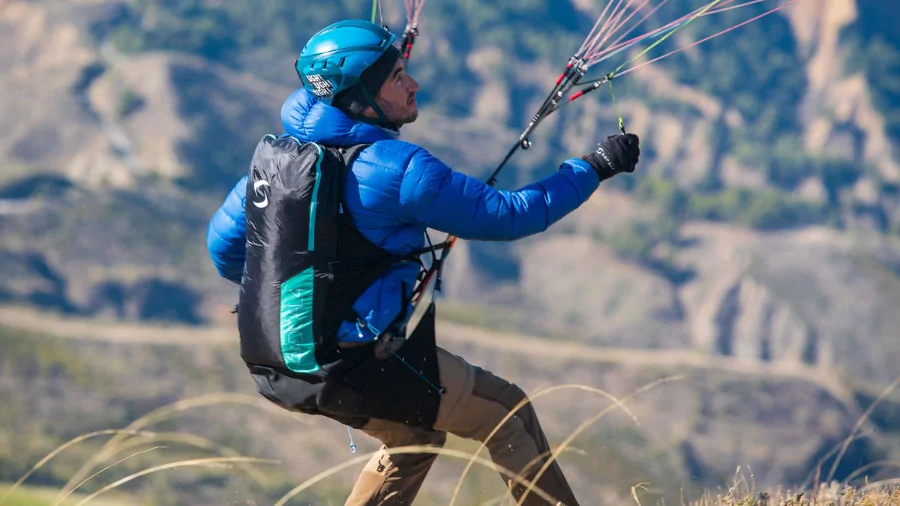
As strange as it may seem, there is fashion in the mountains too. A few years ago, we used to wear full-length flightsuits over our clothes. They protected us from the wind and cold, especially in winter. But also on flights at high altitudes, where temperatures are low even in summer. Initially, until the mid-1990s, these uniforms were very colorful, with many bright colors. They were particularly eccentric, reminiscent of the colors of birds of paradise. Subsequently, monochrome displays prevailed. In early 2010, fewer and fewer pilots began to use them. The prevailing trend is now comfortable technical clothing, the same kind one would wear for hiking in the mountains. Regardless of what someone chooses to wear, based on their personal taste. The main characteristics of clothing are that it should be windproof, have isothermal properties, be warm (especially in winter), and comfortable.
Gloves
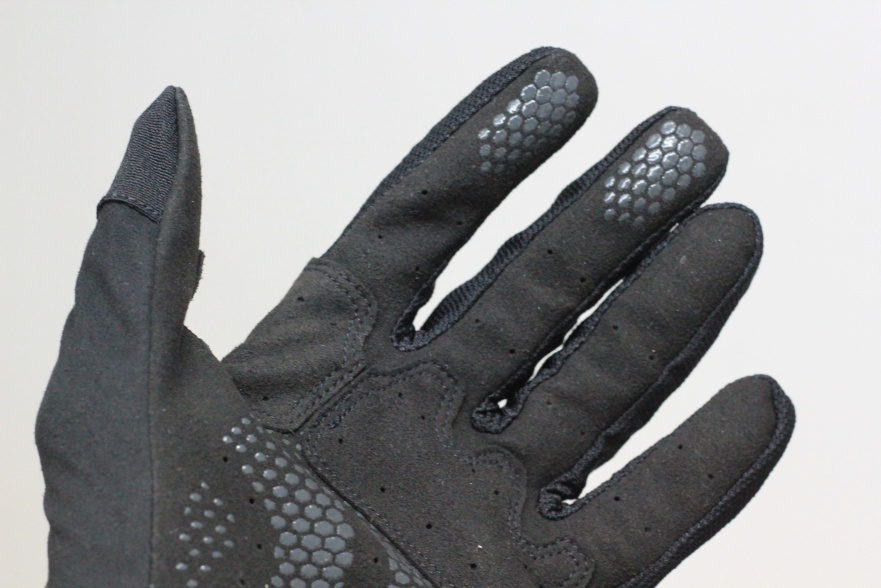
Gloves are also a useful clothing accessory. In summer, we wear thin isothermal gloves, and in winter, thicker ones for better protection from the cold. Gloves protect our fingers from low temperatures. Gloves protect our fingers from low temperatures. They also protect them from possible friction and minor injuries from the paraglider's ropes. Sometimes, if we grab them at the moment when we lift the wing off the ground, for example, due to friction, if we are not wearing gloves, they can cause burns at the point of contact.
As for paragliding equipment, we will need the following.
Helmet
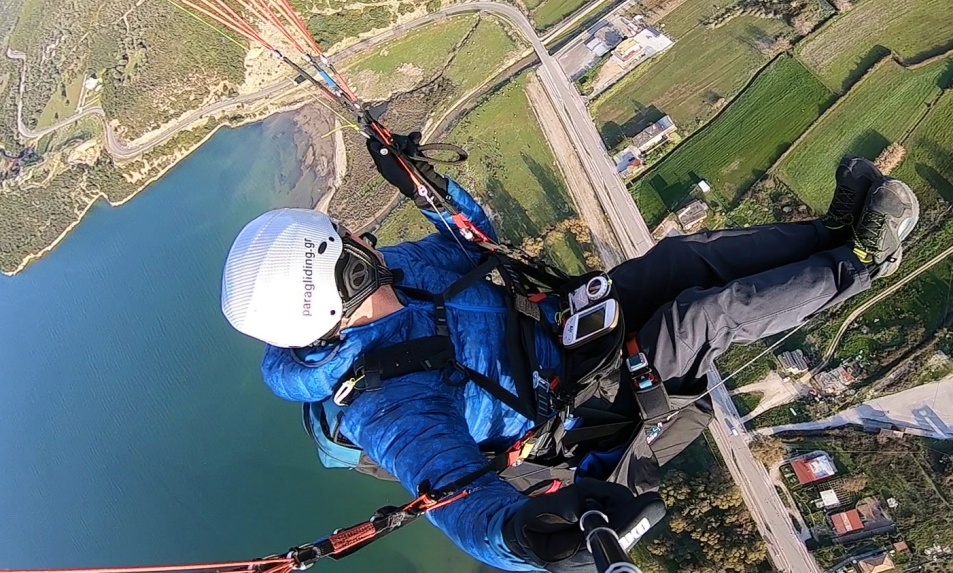
This will protect us from injuries in case of falls!
Its size should be such that it fits our head without pressing on it, but without being too loose either.
I have heard the following statement many times: "If I fall from up there, will the helmet save me?"
The answer is: Yes, why not?
But we don't just need helmets when we're in the air. Let's not forget that a flight begins and ends on the ground. Takeoff and landing are half the flight. After all, that is where most basic training schools are concentrated. Statistically, most accidents occur during takeoff, and landing. Where students are in contact with or close to the ground. I should note here that helmets for paragliding are lightweight helmets with wide peripheral visibility.
More specifically, the FAI (International Air Sports Federation) states on its website: From May 1, 2014, all pilots in the Cat. 1 must wear a helmet certified according to EN966 (air sports), EN1077 A & B, ASTM2040 or SNELL rs98 (snow sports) standards at all times during flight.
Harness
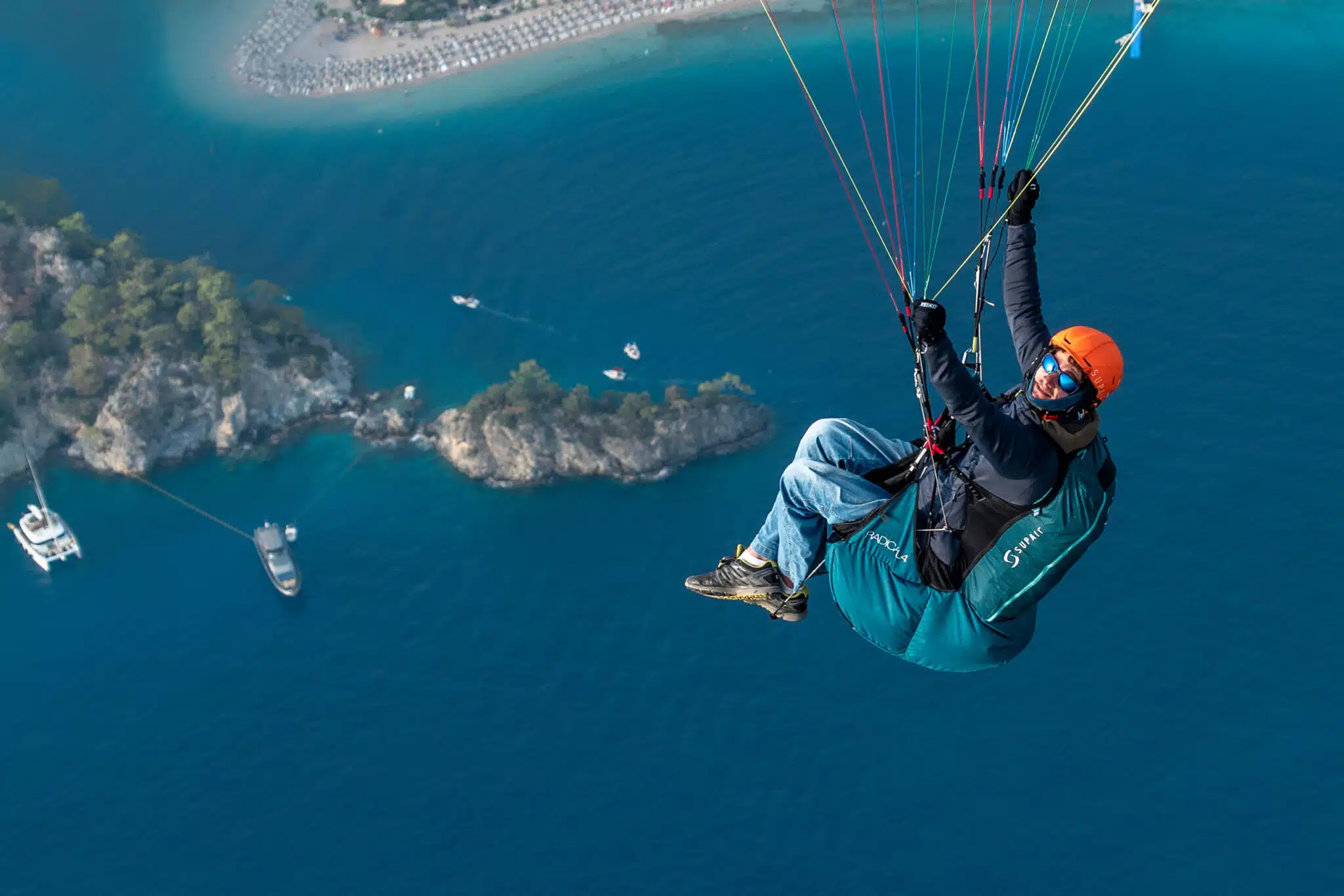
The size of the seat should be appropriate for our body dimensions. Like clothing, seats are available in different sizes. Therefore, it is important that they fit our dimensions. If they are too large, they will make it difficult for us to take off. We'll be "floating" in it during the flight.This results in a feeling of insecurity, as well as poor wing handling. If it is small, we will not be comfortable and will not be able to fly properly. And we will undoubtedly be impatient to find out when we will land. It is also important to know that there are various types of seats available on the market, depending on the intended use and the user's experience. This is a very important issue. The new pilot should be satisfied with a comfortable and easy-to-use seat that meets the needs of a beginner, to an average experienced pilot. Here, it would be advisable for the student to consult their instructor before purchasing the seat, as well as the rest of the equipment (reserve parachute, wing).
Reserve Parachute

An essential accessory that you may never use, but if you need it, it will be the one thing that gets you out of a difficult situation. It fits into a special slot, that all seats have for spare parts. Beyond its practical use if ever needed, it also gives the pilot a sense of extra security. And here too, there are various types and sizes of spares. For example, , round, square , directional. All have their pros and cons. Here, the trainer will be able to advise you on what would suit you best.
Wing
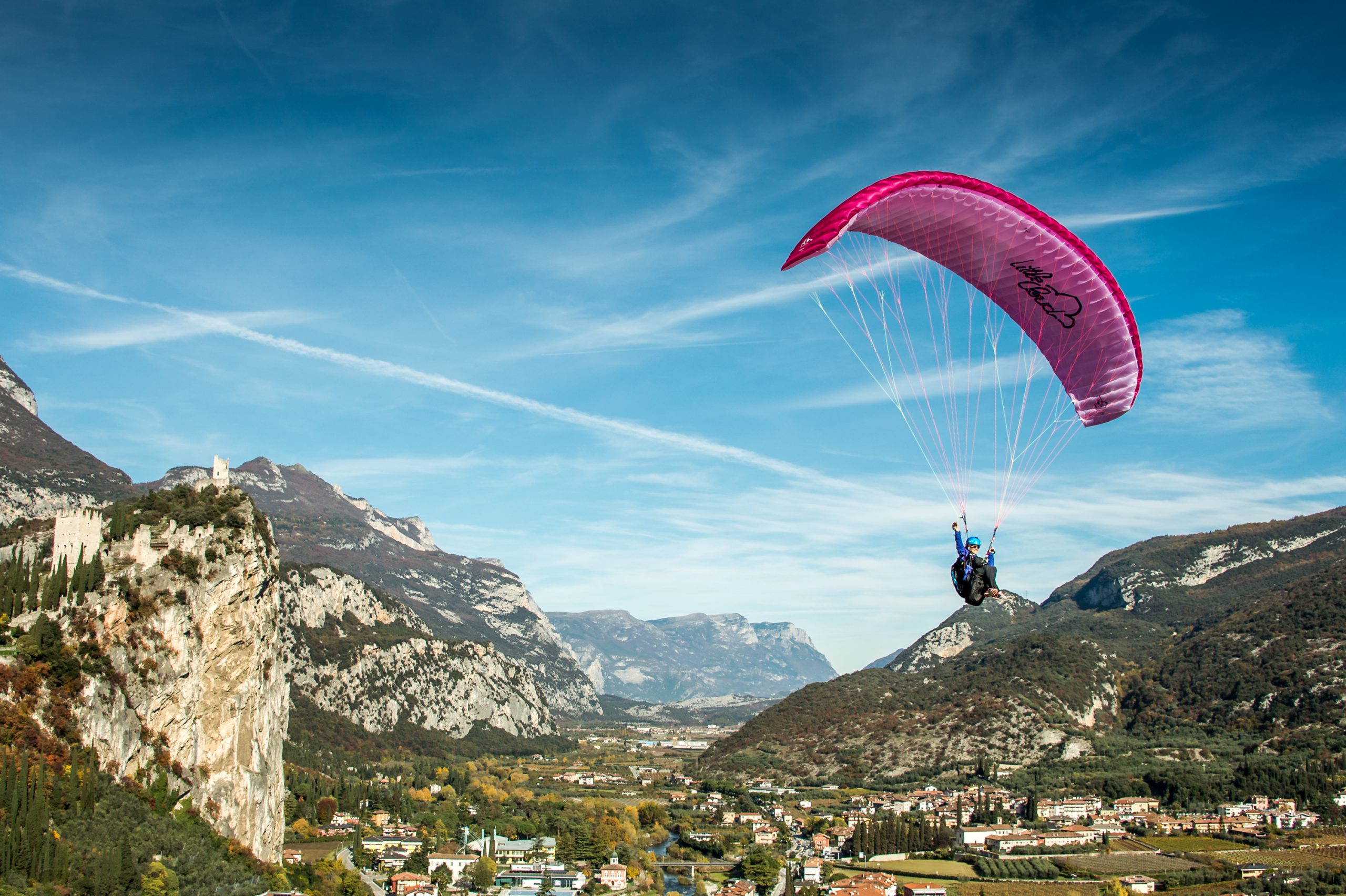
And, of course, in order to fly, because all of the above are not enough on their own, we also need the wing, which we will attach to the seat, and with it we will be able to fly. One nice thing to think about is what color to get it in. But since that's subjective, it's totally up to you. You can consult your instructor about other technical matters, related to the wing. What you need to know first, apart from the fact that the wings are sized according to the pilot's weight, plus the total equipment, is that they are also divided into a system of categories, depending on the pilot's experience, and technical skills.
The categories are as follows:
EN-A, wings for training schools and novice pilots.
EN-B, Wings for pilots with average experience. But up to a relatively good experience if the wing is classified as high performance in this category.
EN-C, Performance wings, experience required.
EN-D, High-performance wings require considerable experience.
EN-CCC, Racing wings, require a very high level of experience.
It is generally accepted that a wing chosen for a new pilot should be one that belongs to the EN-A category. Wings in this category are easy to handle, both during takeoff and landing, as well as in the air. They also forgive some clumsy movements that beginners pilots usually make during maneuvers until they gain experience. Here too, the new student should consult his instructor when making his choice. In some cases, depending on their experience, the ease of the area they fly in, usage, and other criteria, they may also recommend a low-performance EN-B category glider.
Radio

Our radio helps us communicate, and, in a nutshell, we could say that communication = safety!
Its use is multifaceted and includes:
Vario-Gps
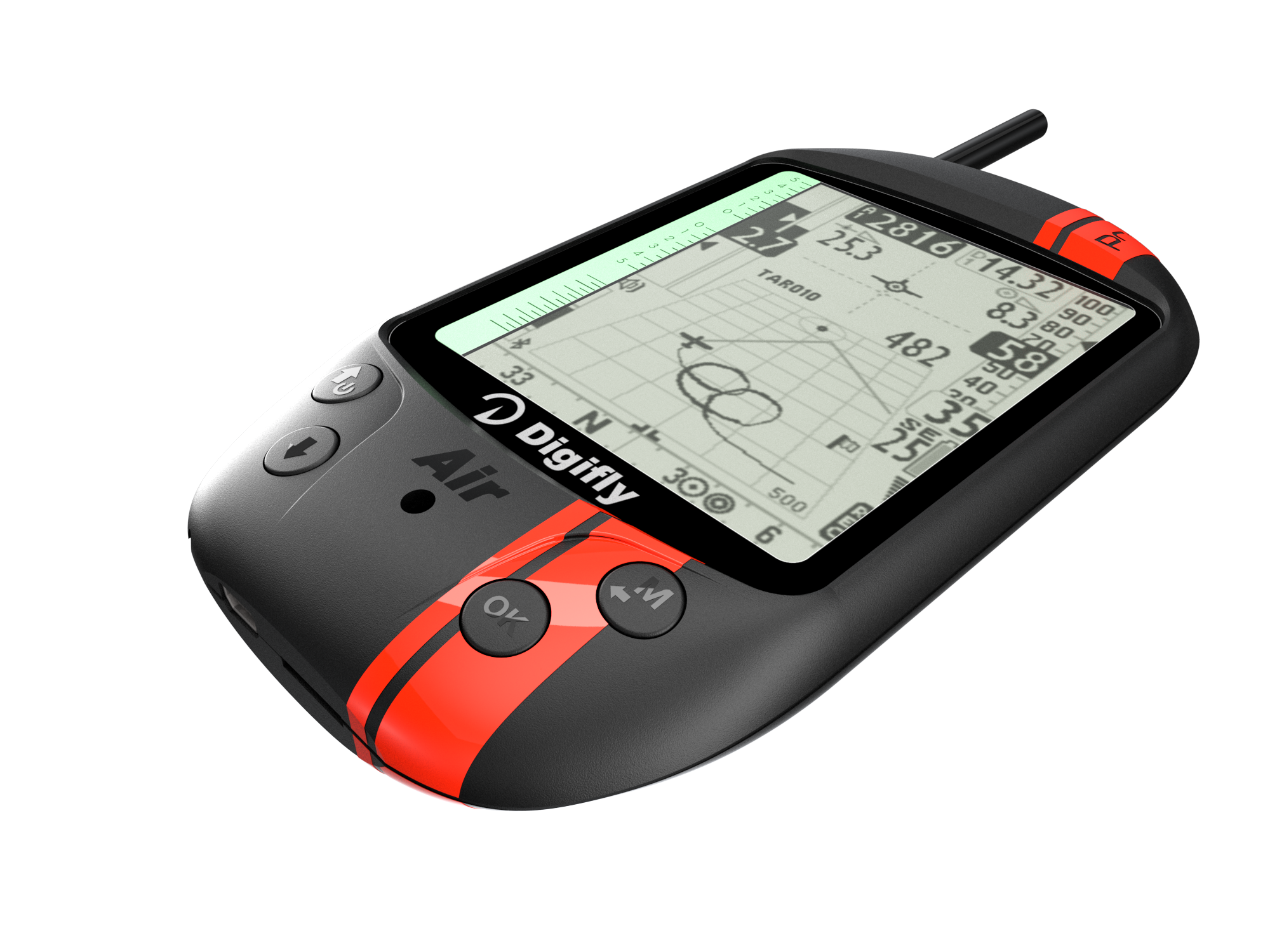
It is a very useful instrument that shows us various information during flight. Such as the degree of ascent, descent, ground speed, and other information. However, it is not necessary for the student to have it during their first flights. Too much information will confuse them more than help them. It is a good idea to take a few flights to gain a better understanding of how to handle a paraglider. And once they have gained some experience, they can then use this additional aid, which will provide them with useful information to improve their performance, and make their flights even safer.
Sources:
https://www.fai.org/page/helmets-paragliding
https://xcmag.com/gear-guide/the-paraglider-certification-test-system/
https://www.fai.org/page/civl-competition-class-paragliders
https://supair.com/en/b-ou-b-comment-sy-retrouver/


.jpg.webp)
.webp)
.webp)
.webp)
.webp)
.webp)

.svg)


.png)
